Horticultural Therapy
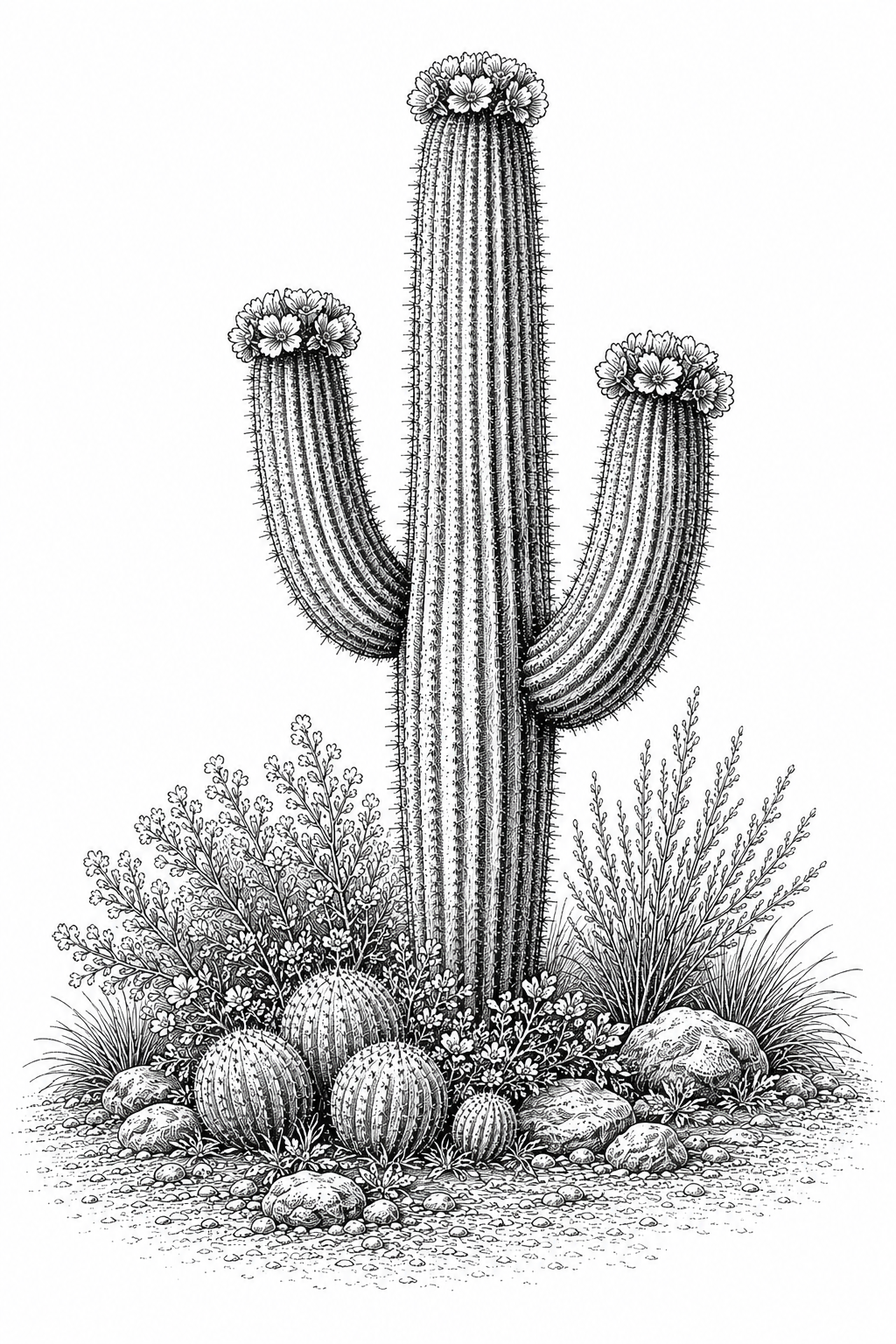
Working with plants invites a shift away from urgency and toward attunement. In tending soil, watering, pruning, and observing change over time, individuals begin to mirror these same processes internally. Growth is no longer something forced, but something supported.
Desert plants illustrate this beautifully. The Saguaro cactus grows slowly over decades, teaching patience and long-term resilience. This natural model helps reframe healing as something that unfolds over time, rather than something that must happen quickly.
Horticultural therapy can support mental health by:
Reducing stress and anxiety through sensory grounding—touching soil, noticing scent, engaging with living textures
Encouraging mindfulness and presence, as plant care requires attention to the moment rather than rumination on the past or future
Fostering a sense of agency and accomplishment, especially as individuals witness tangible results from their care
Supporting emotional regulation, offering repetitive, soothing tasks that calm the nervous system
Rebuilding connection, both to oneself and to the living world
From a symbolic perspective, tending plants can also deepen insight:
Roots reflect stability, history, and unseen support systems
Pruning can represent letting go or setting boundaries
Seasonal dormancy normalizes rest, grief, and periods of low energy
New growth offers hope without denying the presence of hardship
Importantly, horticultural therapy does not require ideal conditions, just as desert plants do not wait for perfect environments to survive. It emphasizes working with what is available, adapting care to the current season of life, and recognizing that resilience often looks like small, steady acts of tending.
In this way, horticultural therapy becomes more than an activity; it becomes a living metaphor for healing: a practice of nurturing life gently, consistently, and with respect for the pace at which true growth occurs