Art Therapy
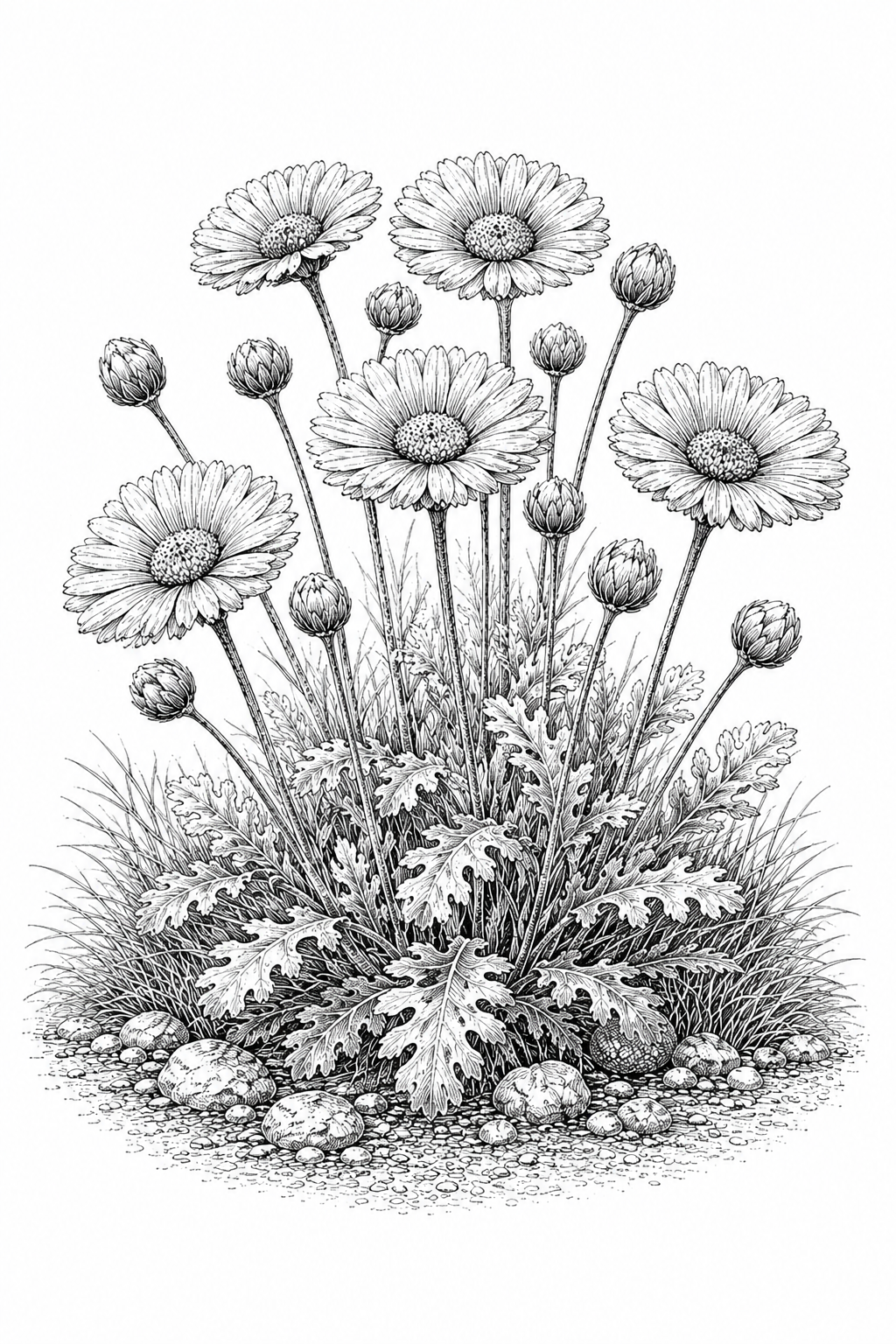
In the desert, expression is not constant—it is responsive. Like the desert marigold, which bursts into bloom after rain, creativity in art therapy often emerges in moments of safety, connection, or readiness. There is no expectation to produce or perform. Instead, the focus is on noticing what begins to take shape when conditions feel supportive enough.
Art therapy becomes a way of:
Making the invisible visible – giving form to emotions that may feel difficult to name
Working at the growing edge – gently exploring thoughts and experiences without becoming overwhelmed
Creating containers for experience – using materials, images, and symbols to hold what feels too much to carry internally
Reclaiming adaptability – discovering new ways of responding, expressing, and understanding yourself
Desert life teaches us that resilience is not about constant strength. It is about conservation, timing, protection, and responsiveness. In art therapy, this might look like:
Pausing instead of pushing
Layering instead of forcing resolution
Allowing unfinished or evolving pieces to exist without judgment
Trusting that meaning can emerge over time
Some desert plants protect themselves with thorns while holding water deep within. Similarly, your art can safely hold both guardedness and vulnerability, allowing you to approach difficult experiences at a pace that feels contained and manageable.
Art therapy, from this perspective, is not about creating something “beautiful” or “correct.” It is about staying in relationship with yourself, even in difficult seasons, and discovering that creativity, like desert life, finds a way to persist, adapt, and sometimes even bloom in the most unexpected places.